
Lizards can be a common nuisance in many households. They often enter through small cracks and crevices, seeking food and shelter. To effectively deter these reptiles best lizard repellent, homeowners can adopt a variety of preventive measures and natural repellents. Understanding lizard behavior and identifying potential entry points is vital. By combining cleanliness with strategic barriers, one can considerably reduce the likelihood of lizards invading their space. Discovering effective solutions is essential for peace of mind.
Understanding the Lizard Behavior
Although lizards may be small, their behaviors are complex and can greatly impact their interaction with human environments. Understanding lizard instincts is essential for effective management. These reptiles are primarily driven by survival instincts, seeking food, shelter, and suitable breeding grounds.
Their habitat preferences often include warm, sheltered areas with access to insects and other food sources. By identifying these preferences, homeowners can modify their surroundings to deter lizards. For instance, removing debris, sealing cracks, and ensuring that gardens are well-maintained can make environments less appealing.
Additionally, lizards thrive in warm climates https://igreenasia.com/, so regulating temperature and humidity in homes can further discourage their presence. Implementing these practical strategies not only addresses lizard behaviors but also promotes a more harmonious coexistence with nature.
Understanding their instincts and habitat preferences equips homeowners with the knowledge needed to minimize unwanted encounters effectively.
Identifying Entry Points
Identifying entry points is essential for preventing lizards from invading homes and gardens. Homeowners should begin by evaluating home vulnerabilities, such as cracks in walls, gaps around windows and doors, and openings in vents. These small spaces can provide easy access for lizards seeking shelter or food.
Additionally, recognizing identifying lizard species can help target specific behaviors and habitats, allowing for more effective preventive measures. For instance, some lizard species are attracted to moist environments, so checking for leaks or standing water can reduce the chances of an infestation.
Once entry points are identified, homeowners should seal gaps with caulk, install screens, and guarantee doors and windows close tightly.
Regularly inspecting the exterior of the home and maintaining a clutter-free yard can further discourage lizards from finding shelter nearby. Taking these steps will create a less inviting environment for lizards.
Natural Repellents to Consider
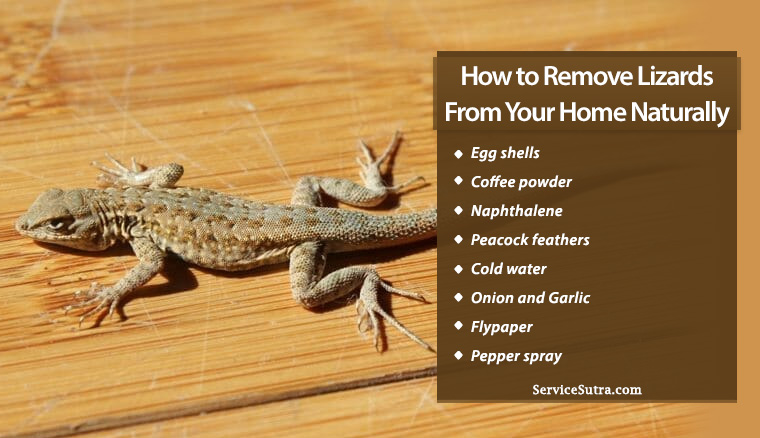
When seeking to deter lizards naturally, homeowners can explore a variety of effective repellents derived from common household ingredients. One popular approach involves using natural deterrents such as garlic, which can be crushed and mixed with water to create a spray. This solution not only disrupts lizards’ sense of smell but also acts as a deterrent.
Additionally, a mixture of pepper and water can be sprayed around entry points, making the area less inviting for these creatures.
Another effective home remedy is the use of eggshells. Placing crushed eggshells around the perimeter of the home can create a barrier, as lizards tend to avoid areas that signal the presence of predators.
Finally, vinegar can be diluted with water and applied in areas where lizards frequent, providing an unpleasant environment. These natural options can offer homeowners a safe and eco-friendly solution to keep lizards at bay.
Utilizing Essential Oils
Essential oils can serve as potent lizard repellents, offering a natural and aromatic solution for homeowners looking to deter these unwanted guests. Various essential oil types have been identified for their effectiveness in acting as lizard deterrents.
For instance, peppermint oil is known for its strong scent, which can repel lizards, while eucalyptus oil offers a similar effect. Other effective oils include citronella, tea tree, and lavender, each contributing unique fragrances that lizards find unappealing.
To utilize these essential oils, homeowners can mix a few drops with water in a spray bottle and apply it around entry points, windows, and doors. This method not only creates an inhospitable environment for lizards but also leaves a pleasant aroma in the home.
Regular application guarantees that the scent remains potent, enhancing its effectiveness as a lizard deterrent. Embracing essential oils presents an eco-friendly approach to maintaining a lizard-free living space.
Maintaining a Clean Environment
A clean environment plays an essential role in deterring lizards from invading living spaces. Regular cleaning routines that focus on maintaining clean surfaces can greatly reduce the likelihood of lizard encounters.
Lizards are attracted to food crumbs, spills, and other debris, which provide them with easy access to sustenance. By ensuring that kitchens and living areas are free from food remnants, homeowners can make their spaces less inviting to these reptiles.
Additionally, clutter reduction contributes to a lizard-free home. Piles of clothes, magazines, or other items can serve as hiding spots for lizards, offering them shelter and security.

Implementing Physical Barriers
Implementing physical barriers is a proactive approach to keeping lizards at bay. Homeowners can considerably reduce the likelihood of lizards entering their living spaces by focusing on lizard proofing doors and sealing windows effectively.
These measures not only protect against lizards but also enhance overall home security.
To achieve effective lizard proofing, consider the following steps:
- Install weather stripping: This helps seal gaps around doors and windows, making it difficult for lizards to enter.
- Use door sweeps: Adding sweeps to the bottom of doors prevents lizards from slipping inside through small openings.
- Screen vents and openings: Covering vents with fine mesh screens prevents lizards from accessing your home through these entry points.
Conclusion
To summarize, effectively preventing lizards from entering a home requires a multifaceted approach. By understanding their behavior and identifying potential entry points, homeowners can implement natural repellents like essential oils and maintain cleanliness to eliminate food sources. Additionally, utilizing physical barriers such as weather stripping and fine mesh screens enhances protection. By combining these strategies, one can create an unwelcoming environment for lizards, ensuring a more comfortable living space free from these reptiles.